

Clean and Safe Play
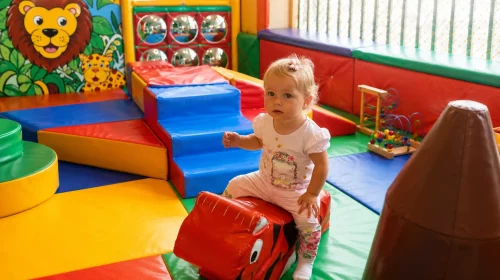
A welcoming indoor space designed for fun, active and family-friendly play.

Food and Drinks On Site
Families can stay longer and enjoy meals, snacks anddrinks in one place.family-friendly play.

Free Parking
An easier visit for parents planning weekday or weekend play.

Easy to Find
A welcoming indoor space designed for fun, active & Located at Belle Vale Shopping Centre in Liverpool.

Under-5 Friendly
Dedicated play for younger children, plus activities for different age ranges.

Weekday-Friendly Fun
A practical option for parents who want indoor play and food in one visit.

Jungle Fun Party Packages
What does the party include?





Margi Rathbone
6 months ago
Enjoyed our bank holiday Sunday at jungle fun. All ages enjoyed it from 4-11. Would recommend

Daniel Milner
7 months ago

Hannah Swayne
7 months ago

Jennifer Tubb
7 months ago
First time here, experience was amazing! All my children want to go back. My 6yr old was made up with Stitch time 🙂

Yemi L.
7 months ago
My daughter had her 6th birthday party at Jungle Fun Children’s Activity. The children enjoyed themselves in the play area and the creativity room was awesome. Our party Leader Erin was absolutely amazing. The children really liked her . Erin was very helpful and engaged with the children. She was quick at resolving any problems and she showed fantastic entertainment skills . The party food was good , French fries, chicken nuggets, and pizza . There are alternative menus for dietary requirements. Ice cream and balloons to end the party .

Amy Strong
8 months ago
The children always love a session at Jungle Fun, we have been visiting every now and then over the last 8 years. Soft play is fun, well maintained and appropriate for all ages. Staff are friendly.
Booked for daughter's 4th birthday party (Bronze package) - nicely organised, excellent value for money, even given a party host. Freya was out party host, she was lovely, very helpful in navigating the children to the party areas, structured enough to make sure we enjoyed all on offer but relaxed enough to allow the children to move between areas as they wished. Party room is decorated well enough to not need decorations. All the children said it was the "best party ever!" and enjoyed the new interactive room.

Abbie Wright
10 months ago
Had a great time visiting here with my 1 year old. There’s a mix of play areas for different ages and the under 4s was supervised and staff told older kids to leave the area which I found was good.
The cafe had good variety. The staff did not stop, they were all so hard working, Friendly and polite. However a man who appeared to be the manager did not speak nice to the staff, he was very pushy and talking down to them, it was not nice to see especially after them working so hard.

rozh hosseini
11 months ago
Absolutely amazing. we had our son 5th birthday here yesterday,fantastic experience from start to finish!and I would say it was perfect . kind, friendly,helpful,patient, organised and amazing team.
Absolutely outstanding , from food to all fun for the children was taken care of to the highest of standard. The children had a wonderful time — the play area is spacious and safe, perfect for letting kids off energy while parents can relax and socialise with one another.
Nazanin was very dedicated to her work and handled all tasks with great compassion. Hamid took care in all aspects of this event to ensure the best possible quality of the party .
Would highly recommend to anyone wanting to celebrate a birthday or event.

Lauren Watson
1 year ago

Tony Galloway (Tony G)
1 year ago

Tsnem Al HamWi
1 year ago
Nice place and my kids are happy when they come here I recommend it and thanks to the staff they are nice🤩🤩🌸

ibtissam aletis
1 year ago
All staff were really kind and the stuff to play with were 100% safe and clean🤩🤩👏👏

Olga Jurand
1 year ago

Yvonne Makin
1 year ago
Thank you to all the amazing team at Jungle fun. My grandaughter and I have made lovely memories there and will definitely return. Yvonne and Alice

Paula Murphy
1 year ago
4 Yr old loved it

Gemma Eastham
1 year ago
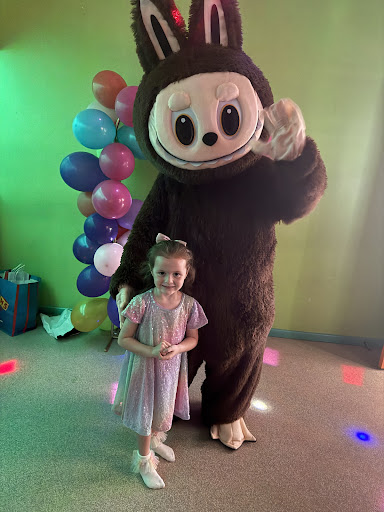
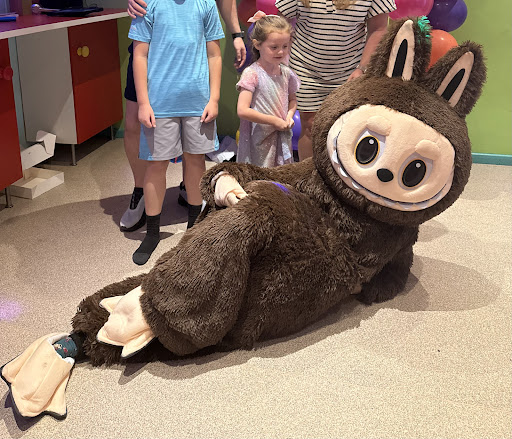
We Had such a fab day today for my Little Girl's 5th Birthday. I Cant thank Jungle Fun enough for going above and beyond in locating a Labubu mascot in time for this party as my little girl changed her mind on the theme last minute (as kids do) I appreciate the efforts of them being able to locate a Labubu Mascot and the Entertainment factor of the Labubu was amazing. The Labubu got all the kids dancing and was throwing out the Dance Moves, The kids absolutely loved it and had so much fun! The Lad (sorry didn't get his name but it was his birthday today) was very understanding that if they couldn't get the Labubu in time I would need to cancel the party so I appreciate all the efforts made as Labubu mascots are currently in demand and Kids are obsessed ! We will definitely be back to Jungle Fun and I highly recommend the play centre for Parties or just a play session 🙂 Thank you Jungle Fun for making my little girls birthday memorable!

David Kerr
1 year ago
My little girl absolutely loved seeing the stitch mascot and the staff were brilliant with her I would definitely recommend it to anyone else

Laura
1 year ago

Lynne Courtney
1 year ago
Bring my granddaughter and friend/ friends here regularly, excellently managed , always clean , in all areas , plenty of seating for families , great place for child's parties , cafe food great and reasonably priced , visited today and had a surprise visit from stitch , my granddaughter is petrified of mascots , stitch is very aware of children's emotions , fantastic entertainment for all the children today , can't believe it ,this is the closest she has ever been to a mascot , thankyou jungle fun and especially stitch for giving her the confidence to be in close proximity to you , she is so happy and said she feels really proud of herself .


Kate Kelleher
1 year ago
Great party here, plenty of food and lots to keep kids entertained

Angela Jones
1 year ago
Great time , lovely staff

Elsa Barron
1 year ago
My children got such a lovely day playing there. Food is deli and have good veggie options.

Jacqueline Gaughan
1 year ago
First visit here with a 4 year old. Lots to do, nice clean toilets, good food. Great choice of coffee and lots of seating too. Friendly staff and will definitely come back

Kevin Prendergast
1 year ago

Fiona McCarthy
1 year ago
We visited during term time on a Friday at 10am and it wasn't too busy, when we left at 12 it was definitely getting busier. My 1 year old really enjoyed himself; there's plenty to do in the under 4's area. It was £10.50 for my son and I, which I think is reasonable for a trip out every now and then. Convenient location as it's the only soft play we can get to by bus. We didn't purchase food but there's plenty of food options in the shopping centre when you leave. My only issue was that some of the music playing was not appropriate for children (most notably Sexy Back by Justin Timberlake!). Even if it drives the staff mad, surely they could just play kids' music or at least have a look over their playlist because there's no need for music like that in a children's venue. Wouldn't hurt staff to smile either rather than looking past us when we thank them ☺️

emma bailey
1 year ago
We had our daughter’s 4th birthday here it was fantastic, so well organised nothing was too much trouble . Facilities are spotless , if you’re looking for a soft play birthday party this one is the best we’ve been to !

HANNAH SHEARER
1 year ago
One of my favourite soft plays as they have so much going on for the children and it is clearly regularly cleaned.

Dottie Domestic
2 years ago
Had my son’s 4th birthday party here tonight and it was lovely. Staff were really friendly and helpful. Kids really enjoyed it. The Spider-Man mascot was really good. The food was lovely. Would recommend.

ted baker
2 years ago
Very clean. Kids extremely happy and good coffee. The slides are great fun too

Aneta Marcela Rosca
2 years ago

Gary Fanning
2 years ago
Kids love it, good coffee too!

Katy T
2 years ago
Amazing- great for a rainy day with little ones. Busy of a weekend- weekdays are quieter.

Viv Bowz
2 years ago
Just celebrated our son's 6th Birthday today with 17 of his friends. Great party, loads for them to do, party room was great and food lovely. Abbie our party host couldn't do enough. All staff extremely friendly and helpful. We had his birthday there last year too and knew it would be a good experience. Thanks again

Elena Lombardi
2 years ago
We have visited been this indoor playground for the first time today and we have been impressed with how clean and well-maintained it is. The manager Hamed (hope this is the correct spelling) makes sure that all customers follow the hygiene rules, which is so important when you have toddlers playing and we really appreciate the staff for standing their ground and ensuring the space stays safe and hygienic for everyone. The team is also friendly and patient with the children, creating a welcoming atmosphere. I highly recommend this place for a fun and safe experience! Thanks again for the great time today ☺️

Nicolae Bahnari
2 years ago

Ramindu Thivanka Jayasuriya
2 years ago
A good place to bring your kid. They have a separate area for under 4 years as well. A roomy place with lots of activities to do. There's a cafe and you can have a bite from there too.
Around 8 pounds for 1 hr and 45 minutes play. Just you fan walk in, I suppose since I didn't pre book both times

Clare Hyams
2 years ago
So much fun to be had here! Really imaginative play space with a good cafe and helpful, pleasant staff. Plus, you can park right outside! We love it.

Samantha Metcalfe
2 years ago
Spotlessly clean Playcentre for my toddler with delicious hot drinks and food

Sandra Metcalfe
2 years ago
Great place to bring the little ones , staff are very friendly and helpful, would highly recommend.

Becky Green
2 years ago
We had my eldest daughter’s birthday party at Jungle Fun and everything was great. Easy to book and smooth operation on the day. The host Annabelle was great and very attentive with the children. Party package was exactly what we were looking for, all the kids loved the food and playing! Thanks again and we can’t wait to come back ⭐️⭐️⭐️⭐️⭐️

Rachael Sakwa
2 years ago
My son loves it here, the staff are friendly and reasonably priced

MIA MAGILL
2 years ago

Megan McCormick
2 years ago
I come jungle fun often with my nearly 3 year old and have just today brought my 4 month old. My eldest always has so much fun here, my youngest (although there isn't a lot for him) loved looking at the bubble tube and watching all the other kids playing. Definitely worth it to give the kids a couple of hours of fun.

Alex cartledge
2 years ago
My son loves this place and staff are really friendly coffee is nice too unlike other places

Lauren Kelly
2 years ago
Lots for the kids to do

Magi Wie
2 years ago
We love this place. The toddler area is brilliant. ❤️

Tomasz Piziorski
2 years ago
It’s our favourite play centre… It’s clean and safe, the food is always fresh and tasty. This is all you expect from places like this

Adam Reid
2 years ago

Rob Parry
2 years ago

Richard Newberry
2 years ago
Great place for kids. Our daughter went to a party here and had a lovely time.

Elena
2 years ago
Yesterday I went for the first time to Jungle Fun for a birthday party. I can't believe I didn't know about this place! I have a 3 and a 1yo and we visited SO many softplay areas in Liverpool but this is the best where I have ever been. By far. Good selection of games and not the usual ones. Also the food at the party was better than the usual one that you get. Very pleased, we will be back!

Deonne hill
2 years ago
We held a party at Jungle for our 4 year old and Jungle Fun did not disappoint. The facilities are great as standard, but the party package was brilliant! The host made it so easy for us, we could just enjoy the party as adults! Food was great (it always is here), the party room was lovely, and the added touch of music and disco lights was nice. We were made to feel very welcome and we would certainly use jungle fun again!

George Pavlou
2 years ago
We have been coming to Jungle fun since our little boy was 5 months old! He’s now 2 and a half and we love it now more than ever! It’s been amazing watching our boy go from the baby part only and then develop to parts of the big play frame too! We have such a good time every time we go and all the staff are amazing, so warm and friendly, especially Parisa! She always looks after us and gives us a friendly welcome whenever we arrive! Out of all the soft plays in Liverpool, this is the best by far as it has so much variety and something for all ages (even me and my wife have a good time). Thanks Jungle Fun for 2 years of fun and here’s to many more years!

Kellie Stamper
2 years ago
Perfect for the kids so much for them to do, friendly staff and excellent food x

Paul Molland
2 years ago

Clare Sharrock
2 years ago

jessica robson
2 years ago
Amazing , my lil boy is wild and there's so many different activities to do for him here , and I can join in aswell haha , we got the food & play meal ...well worth it

Eddy Adley
3 years ago
I need to get fit! My granddaughter thoroughly enjoyed herself running me ragged here.
There is plenty for children to do. Adults can join in, and there is a reasonably priced cafe, too.

詠珊姚
3 years ago
For my daughter's first birthday party, I'm so glad I chose the right place! From the moment we walked in, the staff giving us a very warm welcomed. The place are clean, their service was excellent, and the food was the best quality I've experienced among the soft play I've been to! Both adults and children couldn't stop praising their meals.
The staff Gabby helped coordinate and arrange everything during the party, making it run very smoothly, I really appreciate it. The kids had a great time and really enjoyed.
It was a wonderful day for me, and all the guests left happy and satisfied.

Sarah King
3 years ago
Amazing place to let the kids run some of that extra energy of best thing ever when it is raining and they are stuck in the house

Colin Hall
3 years ago
Great for kids parties.

Ariane Chambers
3 years ago
Fab place. My kiddies love it

Louis Allen
3 years ago
"Jungle Fun Play Centre is an absolute gem for families seeking a vibrant, interactive, and safe environment for their little ones. From the moment you step through the doors, it's clear this place is designed with children's joy in mind. The soft play area is a haven of excitement, bursting with colorful structures and engaging activities that spark endless fun and creativity.
What truly sets Jungle Fun apart is its unparalleled level of interactivity. Every corner is thoughtfully crafted to stimulate young minds and bodies, fostering imaginative play and boundless exploration. From climbing walls to ball pits, every element is designed to captivate and inspire, ensuring hours of laughter and adventure for children of all ages.
And let's talk about the food – it's nothing short of amazing! With a menu that caters to both kids and adults, there's something delicious for everyone to enjoy. From healthy snacks to indulgent treats, the culinary offerings at Jungle Fun are as diverse as they are delicious, making snack time just as exciting as playtime.
But what truly elevates the Jungle Fun experience is its exceptional staff. Friendly, attentive, and always ready to lend a helping hand, the staff members here go above and beyond to ensure every visit is filled with smiles and satisfaction. Their warm demeanor and genuine passion for creating memorable experiences for families make Jungle Fun feel like a home away from home.
Overall, Jungle Fun Play Centre is more than just a place to play – it's a haven of joy, creativity, and togetherness for families. With its interactive play area, delectable food options, and welcoming staff, it's no wonder my family and I keep coming back for more. Jungle Fun has truly captured our hearts, and we can't wait to create more cherished memories here in the days to come."

Deonne Hill
3 years ago
Always have a great time with my 3 year old on a weekday morning. Food is reasonable in price and I get to drink a hot drink in peace whilst my daughter goes off and plays safely.

Philip O'Gorman
3 years ago
I take my children here quite often and they loved it. The staff are amazing as always and very helpful with any unique requirements that you may have.

Amy Hood
3 years ago
Great toddler section and nice food

Gabrielle Sullivan
3 years ago
Very friendly staff, good food choices and great fun for my 2 year old

Laura King
3 years ago
Great play facilities, and it's was clean. My children loved it there.
Downside, I ordered what I thought would be a tuna toastie. It was two pieces of toast with mayonnaise on it, and a load of tunthat was straight from the tin. It was not nice.
I would visit again, I just wouldn't buy a toastie.

Peter Neal
3 years ago
Great fun for the kids

Ehsan Azmoodeh
3 years ago

Nazanin Golkar
3 years ago
Nice food and kind staff.

Rocio Valdivielso del Real
3 years ago
Wonderful place to bring kids for birthdays parties and other activities. Fantastic food, and absolutely all is perfectly organised.

Foteini Stavropoulou
3 years ago
Went there with my 7-year old son for a birthday party. Nice place and food. Cozy atmosphere and good customer service.

Hiba Hussein
3 years ago
We were invited to our friends’ son birthday and we had a blast. The staff are so kind and welcoming. The play area is so clean and safe with a lots of fun activity and the food was great. Amazing place for kids to play and parents to enjoy their time.

Nathan Potter
3 years ago
Took my lad with my sister and her 2 kids. Fun, safe, friendly but most importantly safe environment. The kids enjoyed the day and the staff were very attentive. I’d definitely recommend

Carl Austin
5 years ago
We booked a joint party with 20 kids and it was fantastic. The kids absolutely loved it and the staff were fantastic. Our organiser, Rubby, was amazing, the kids loved her.
I would definitely recommend it for anyone wanting a hassle free party for the kids.
Superb!