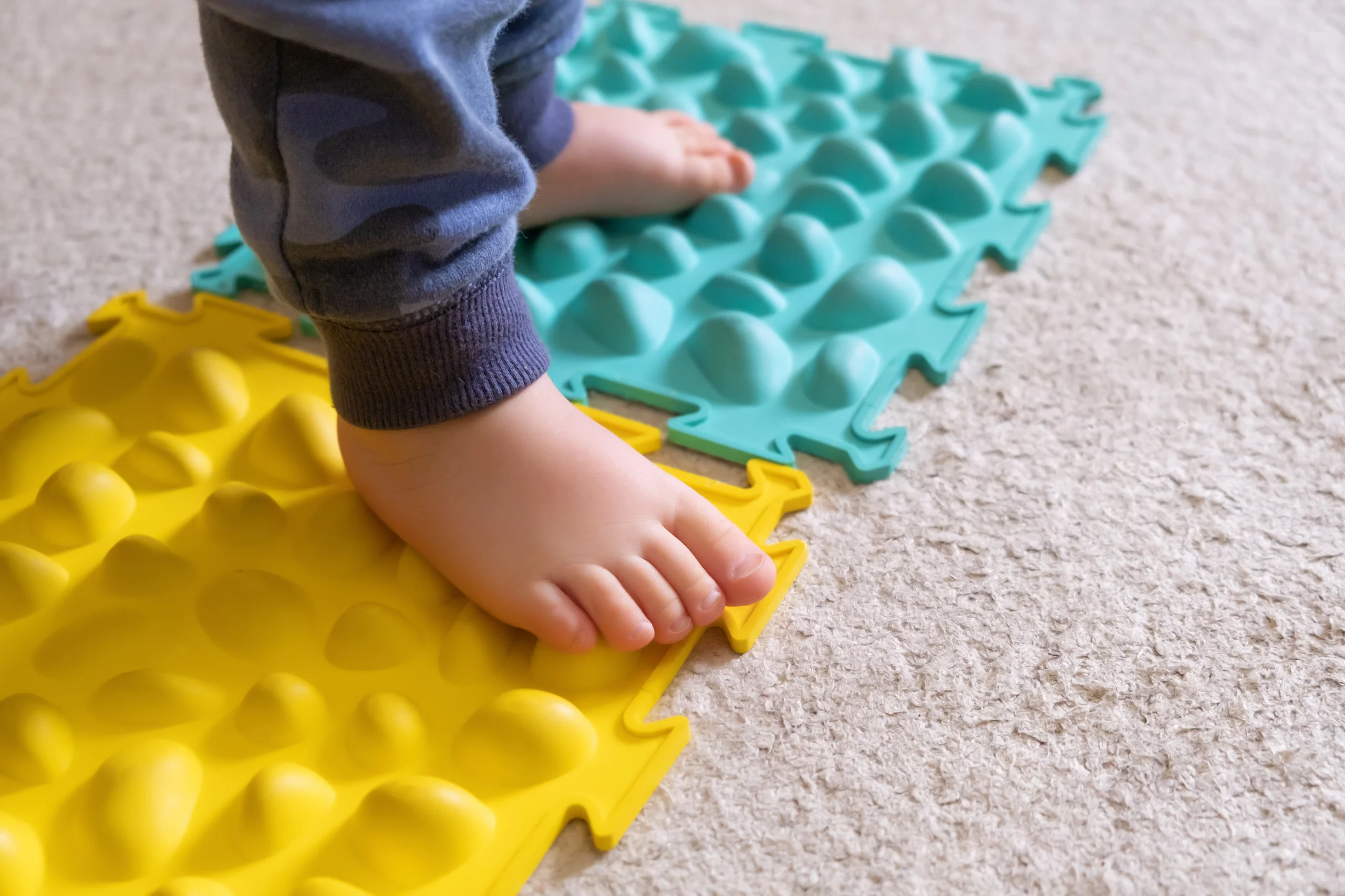
Finding good sensory activities for 3- to 5-year-olds can be harder than it sounds. Many parents want ideas that are fun, not too messy, easy to repeat, and actually suited to short attention spans. That is a sensible concern. Sensory play does not have to mean complicated set-ups at home. NHS guidance describes sensory play as play that stimulates the senses, and says it can be introduced using simple everyday materials. More broadly, play helps children develop through how they play, learn, speak, act and move. [1]
For preschoolers, the most useful sensory activities usually do three things at once: they let children move, explore textures or sounds, and interact with someone else. That matters because trusted child-development sources link play with problem-solving, language, movement, confidence and executive-function skills such as attention and self-regulation. [2]
What makes a good sensory activity for this age?
A good activity for a 3-, 4- or 5-year-old should feel playful first. It should be easy to understand, flexible, and not so overwhelming that a child switches off. NHS speech and language resources also note that play supports understanding, language, gesture, interaction, concentration and imagination, so the best activities are usually simple ones that invite back-and-forth communication. [3]
10 practical sensory activities for 3- to 5-year-olds
1. Water play with cups, spoons and jugs
Water play is a strong starting point because it is calming, hands-on and easy to adapt. Children can pour, scoop, fill and empty while you talk about wet, dry, full, empty, heavy and light. That gives them touch, movement and early language all in one activity. Sensory play is specifically about stimulating the senses, and describing what a child feels and notices can support understanding and communication. [1]
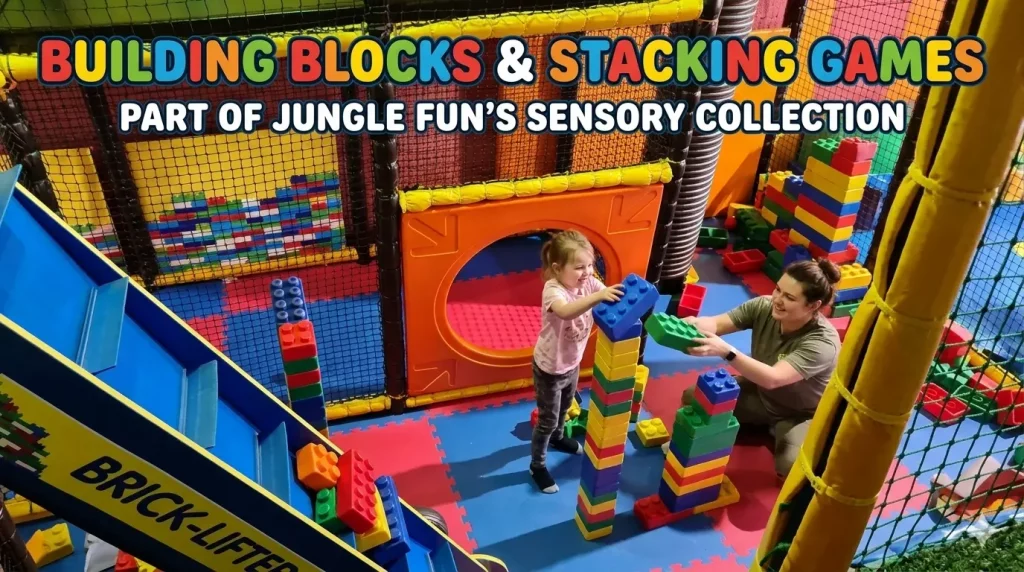
2. Texture trays
A tray with rice, pasta, oats, fabric, foil or soft pom-poms gives children a way to explore touch without needing a huge set-up. You can hide objects inside, sort by feel, or simply let them compare rough, smooth, soft and crunchy. This kind of sensory exploration helps children notice and describe differences, which is useful for attention and vocabulary. [1]
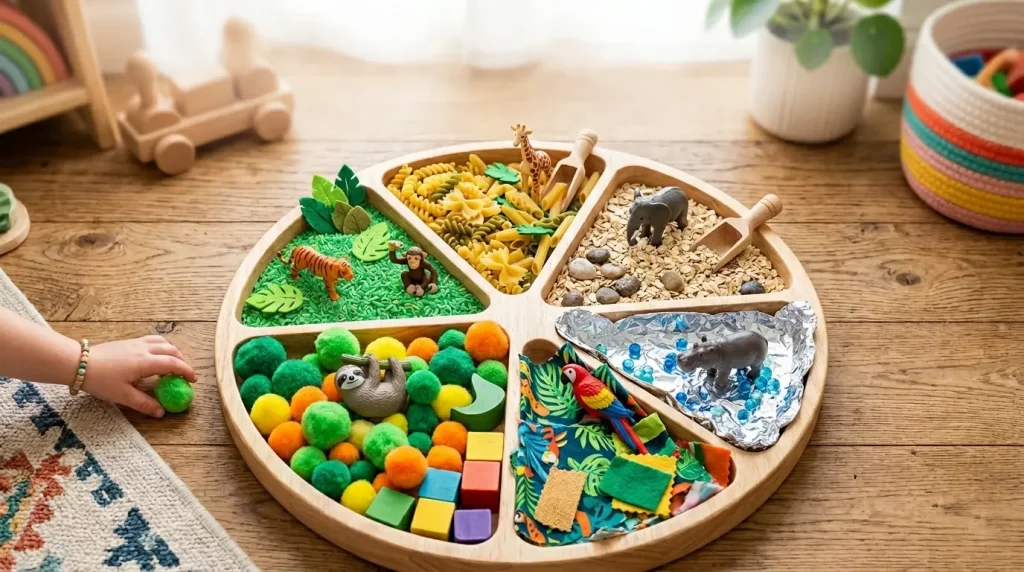
3. Playdough and squeezing activities
Rolling, pressing, pinching and shaping dough is great for sensory play because it combines touch with hand strength and control. For preschoolers, this is also a good bridge into fine-motor practice and early mark-making. Play supports general learning and problem-solving as well as movement skills, so this kind of hands-on task is useful beyond simple entertainment. [3]
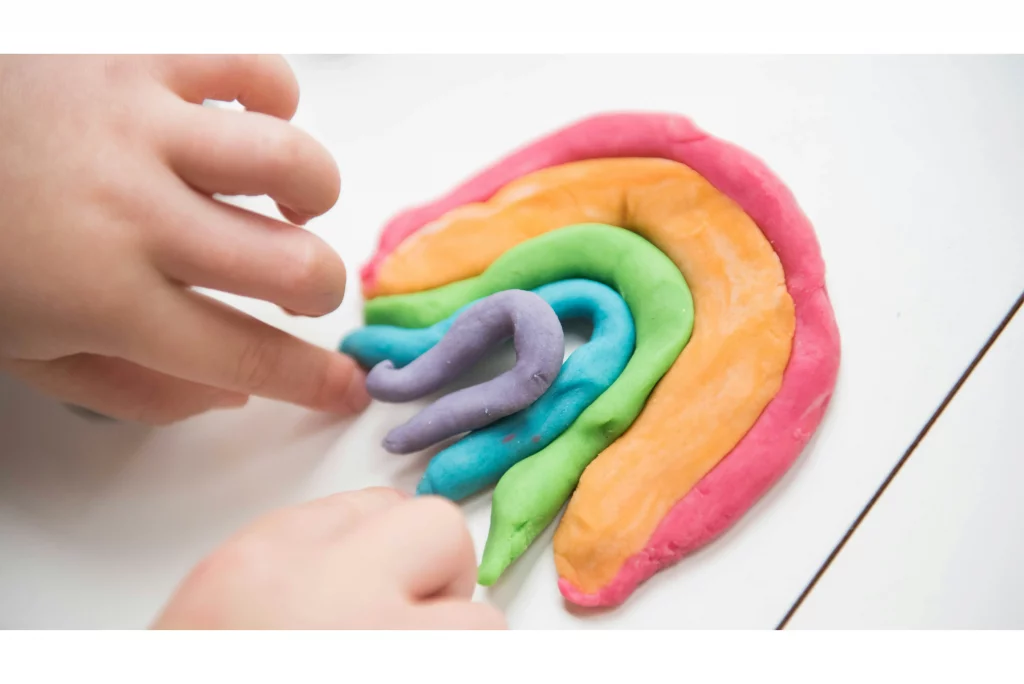
4. Building blocks and stacking games
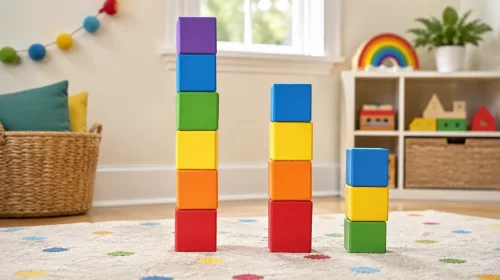
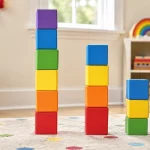
Big blocks are excellent for children who enjoy active, visual play. They can build, knock things down, balance pieces, test new ideas and start again. That makes block play one of the most practical sensory activities for preschoolers, as it supports touch, spatial awareness, persistence and trial-and-error thinking. AAP links play with executive function and problem-solving, which is one reason construction play works so well at this age. At Jungle Fun, children also have space to build with huge big blocks, giving them a fun indoor environment where they can create, explore and play on a larger scale (children’s activity centre in Liverpool).
5. Music, rhythm and action songs
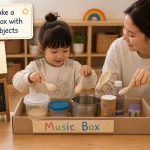
Sensory play is not only about touch. Sound and movement matter too. Action songs, clapping games and simple instruments help children listen, copy, move and anticipate what comes next. This is especially useful for children who enjoy repetition and rhythm. Play-based interaction also supports communication and shared attention. [1]
6. Ball play and ball pits
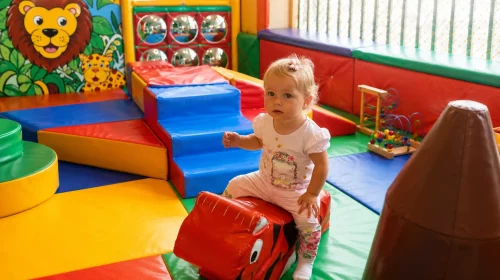
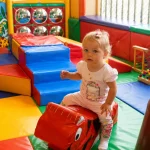
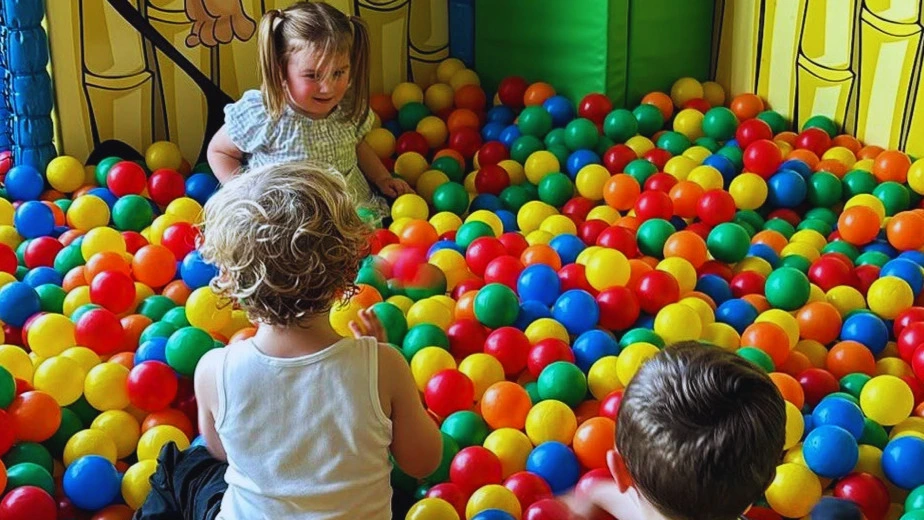
Rolling, throwing, catching and stepping into a ball pit give children movement, body awareness and visual stimulation. For some children, a ball pit also feels contained and predictable, which can make it easier than very messy sensory play at home. Jungle Fun’s play areas and soft play environment make this kind of active sensory play easier to access indoors. [4]
7. Climbing, crawling and soft play frames
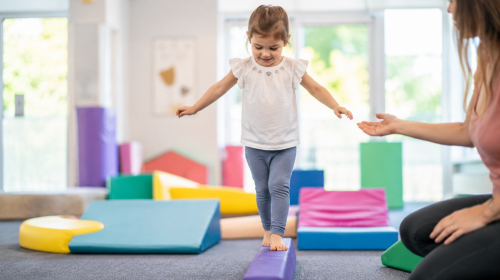
Indoor sensory activities for 3- to 5-year-olds do not always need tables or trays. Movement is sensory too. Climbing nets, ramps, tunnels and soft play frames support balance, body awareness and confidence. Jungle Fun’s activities include soft play adventures and a multistorey soft play frame, which are useful examples of movement-rich indoor play. Sources on early play and sensory development also connect movement-based activities with body awareness, proprioception and problem-solving. [4]
8. Interactive buttons, lights and cause-and-effect play
Children aged 3 to 5 often love activities where they press, tap or trigger something. Interactive panels and button-based play are good because children quickly learn that “if I do this, that happens.” That supports cause-and-effect understanding, attention and early decision-making. Jungle Fun highlights an interactive room and creative play as part of its offer, which fits well with this type of play. [4]
9. Drawing, mark-making and “Little Learners” style play
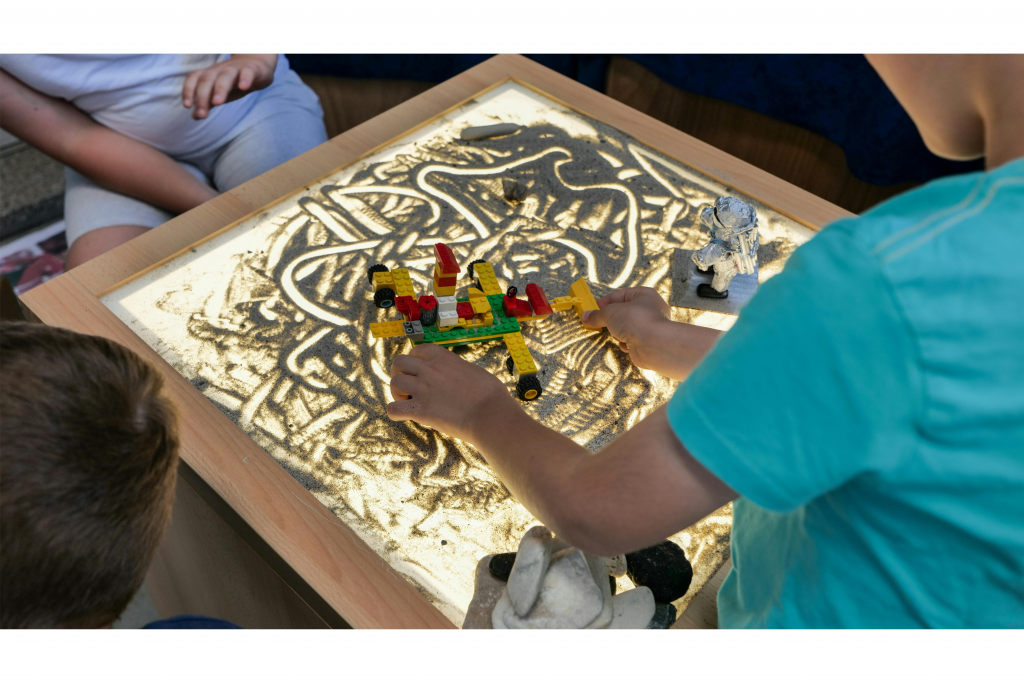
If you want a lower-energy activity, drawing, chalk, crayons, paint brushes with water, and tracing in sand or foam all work well. They still count as sensory play because they involve texture, pressure, movement and visual feedback. Jungle Fun’s activities include Little Learners, and its site also mentions creative play and drawing in the interactive room. That makes it a natural example of sensory-rich play that also supports early learning. [4]
10. Pretend play with props
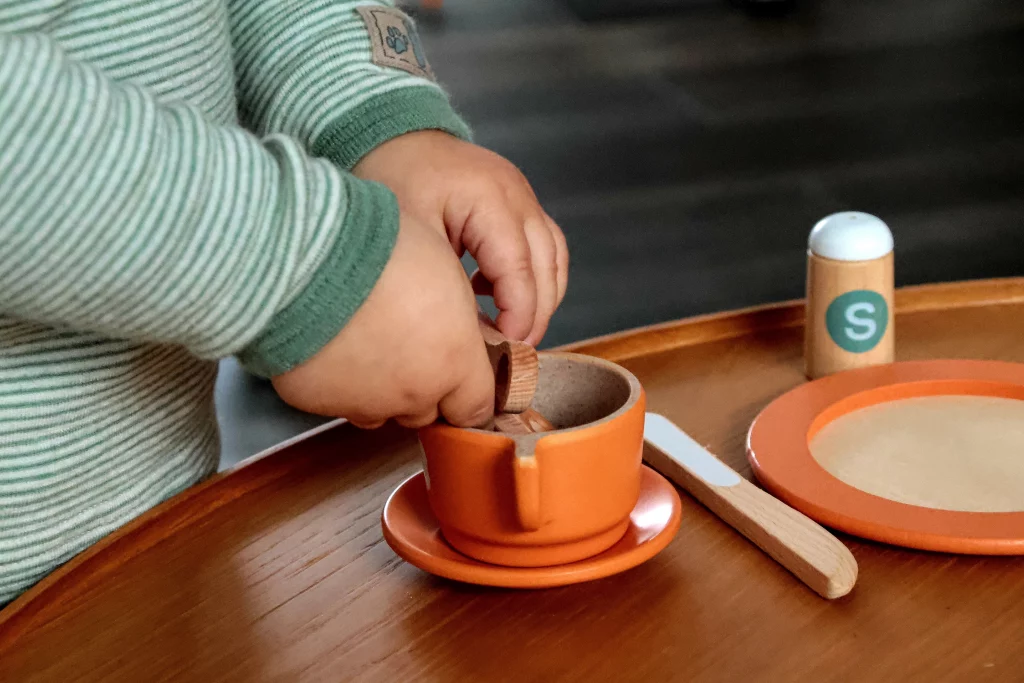
Pretend cafés, shops, kitchens or mini-world play are useful for children who enjoy role play more than messy play. NHS resources on play explain that imaginative play helps children explore language, communication and social understanding. This is especially helpful for children who like copying adults, naming objects and building little storylines. [5]
How indoor play can help when home activities are not enough
Home sensory activities are great, but they do not always meet every need. Sometimes children want bigger movement, more space, or a change of environment. That is where an indoor play setting can help, especially on weekdays when parents want something structured but still fun. Jungle Fun’s site describes the venue as a soft play centre In Liverpool focused on children’s development, communication and interaction skills, with two separate areas including one dedicated to under-5s. Its activities page also highlights options such as Under 1’s soft play adventure, Over 1’s soft play adventure, Little Learners and Kids’ Play & Eat. [4]
That matters for weekday outings because convenience often decides whether parents actually go. Jungle Fun is at Belle Vale Shopping Centre in Liverpool, offers free parking, and lists opening hours as 10:00 to 17:45, seven days a week. When a venue combines indoor play with food, parents can stay longer without the outing becoming stressful. [7]
FAMILY FUN IN LIVERPOOL
Plan an Easy Indoor Day Out
What to look for in sensory play for preschoolers
Keep it manageable
The best sensory activities for sensory-seeking toddlers and preschoolers are usually the ones that are easy to repeat. You do not need a huge set-up every time. A short, successful activity is often more useful than a long, chaotic one. NHS sensory resources specifically note that sensory play does not need fancy materials or lots of steps. [1]
Follow your child’s lead
Some children want movement first. Others want quieter activities like water, drawing or blocks. NHS and speech-and-language toolkits repeatedly emphasise that children learn best when they are interested and when adults join their play rather than over-direct it. [3]
Use language while you play
Try describing what your child is doing rather than asking too many questions. Words like squash, splash, bumpy, noisy, soft, high, low, in and out help turn sensory play into communication practice too. Play and language develop together, and that is one reason these activities are so useful in the preschool years. [8]
A practical local option in Liverpool
If you are looking for under-5 activities in Liverpool that go beyond sitting at a table, Jungle Fun is one of the more practical local options because it combines movement, sensory-friendly play features and family convenience in one place. Its real activities and play spaces make it easier to move from home-based sensory play into bigger indoor experiences such as soft play, ball play, climbing, building and interactive play. [4]
If you are planning activities for different ages, you may also want to adapt the ideas to your child’s stage. For younger toddlers, these 18 month old activities can help with simple indoor and at-home play. If you are planning days out during the school break, you can also explore these summer holiday kids activities for more family-friendly ideas in Liverpool.
FAQ
What are the best sensory activities for 3 year olds?
Simple ideas usually work best: water play, texture trays, playdough, blocks, action songs, ball play and short pretend-play sessions. NHS sensory guidance says sensory play can be introduced using everyday materials rather than complicated equipment. [1]
What activities can 3-5 year olds do?
Children aged 3 to 5 can enjoy movement play, building, drawing, pretend play, music games, water play and simple problem-solving activities. CDC frames development around how children play, learn, speak, act and move, which is why a mix of active and quieter play works well. [9]
What are some fun 5 senses activities?
Good examples include smelling herbs or fruit, listening to instruments, touching texture trays, water play, tasting simple foods, and visual games with colour sorting or lights. NHS sensory resources describe sensory play as play that stimulates touch, smell, taste, sight and hearing. [1]
What are the best activities for sensory-seeking toddlers?
Sensory-seeking children often enjoy climbing, jumping, carrying, ball play, tunnels, spinning, pushing, pulling and active soft play. Movement-based play can support body awareness and regulation, especially when children need more physical input. [10]
Is soft play good for preschoolers?
Yes. Soft play can support movement, confidence, coordination and interaction, especially when children can climb, crawl, balance and explore safely. Jungle Fun’s site also positions its play spaces around development, communication and under-5 play. [4]
Reference notes
- [1] NHS East London Foundation Trust, Sensory Play Ideas.
- [2] American Academy of Pediatrics, The Power of Play.
- [3] Leeds Community Healthcare NHS Trust, Speech and Language Therapy Toolkit: Play.
- [4] Jungle Fun Liverpool, Activities and homepage information.
- [5] Cambridgeshire Community Services NHS, The Importance of Play.
- [6] Jungle Fun Liverpool, Café Menu.
- [7] Jungle Fun Liverpool, Contact page and venue details.
- [8] Lancashire and South Cumbria NHS Foundation Trust, Play and Interaction.
- [9] CDC, Child Development Milestones.
- [10] Essex Partnership University NHS Foundation Trust, Early Years Sensory Awareness Toolkit.