Four-year-olds are often full of energy. They want to jump, climb, crawl, run, balance, throw and explore. These movements are not just ways to burn energy. They also help children build important gross motor skills, confidence and body awareness.
Gross motor skills are the larger movements children make using the big muscles in their arms, legs and body. For preschool children, this can include climbing steps, catching a ball, hopping, balancing, crawling through tunnels, dancing and moving safely around a play space.
The good news for parents is that gross motor skills activities for 4-year-olds do not need to be complicated. Many useful activities can happen at home, in a garden, in a nursery setting or during indoor play. The NHS lists activity ideas for under 5s such as jumping, walking, dancing, playground activities, climbing, active play, throwing and catching. Source: NHS physical activity guidelines for children under 5
Below are 16 practical indoor play ideas to help 4-year-olds practise movement, coordination and active play in a fun, age-appropriate way.
What are gross motor skills?
Gross motor skills are movements that use the large muscles of the body. These skills help children move confidently and safely in everyday life.
For a 4-year-old, gross motor skills may include:
- running
- jumping
- hopping
- climbing
- crawling
- balancing
- throwing
- catching
- kicking
- dancing
- stepping up and down
- moving around obstacles
The Department for Education’s early years physical development guidance explains that gross motor development supports core strength, stability, balance, spatial awareness, coordination and agility. It also says adults can support these skills by creating games and opportunities for play indoors and outdoors. Source: Help for Early Years Providers physical development guidance
Why gross motor skills matter for 4-year-olds
Gross motor skills help 4-year-olds do more than move. They support confidence, independence, social play and everyday routines. A child who can climb, balance, jump or catch more confidently may also feel more ready to join group games, explore new spaces and take part in active play with other children.
At around 4 years old, many children are developing movement milestones such as catching a large ball, climbing, hopping or standing on one foot, although every child develops at their own pace. The CDC lists catching a large ball most of the time as one of the movement milestones around age 4. Source: CDC milestones for 4-year-olds
For parents, the aim is not to turn movement into a strict exercise routine. The best approach is playful, short and flexible. If a child enjoys the activity, they are more likely to repeat it.
16 gross motor skills activities for 4-year-olds
1. Indoor obstacle course
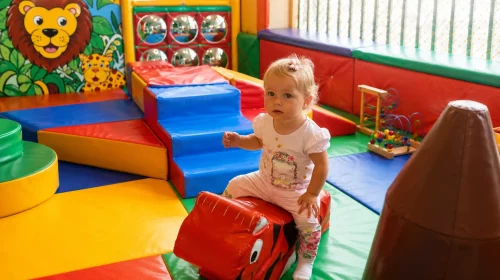
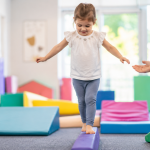
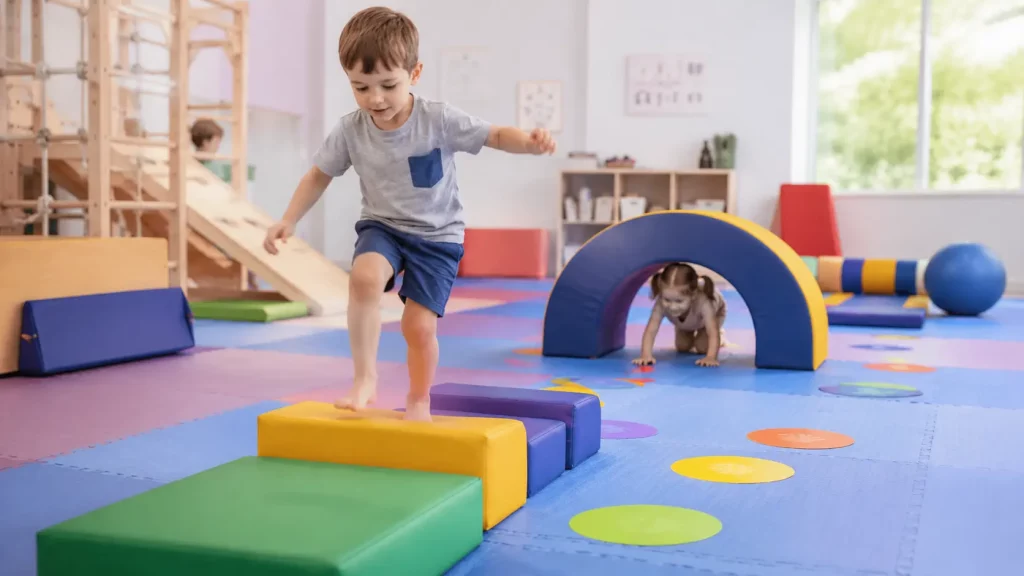
Create a simple indoor obstacle course using cushions, tunnels, soft mats, low steps or safe furniture. Ask your child to crawl under, step over, climb up, jump down or move around objects. This helps with coordination, balance, planning and spatial awareness. In an indoor play centre, soft play equipment naturally creates this kind of obstacle-style movement.
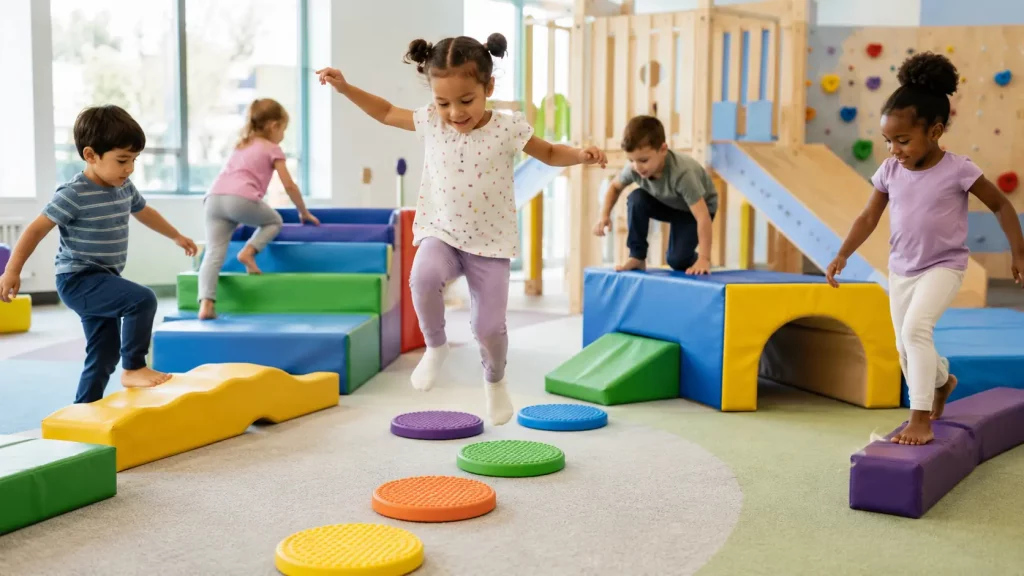
2. Jumping spots
Place coloured spots, paper circles or soft floor markers on the ground. Ask your child to jump from one spot to another. You can make it easier or harder by changing the distance between the spots. This supports leg strength, balance and coordination.
3. Animal walks
Animal walks are simple and fun for preschoolers. Try bear walks, crab walks, frog jumps, bunny hops, penguin waddles or elephant stomps. These movements use the whole body and help children practice strength, rhythm and control.
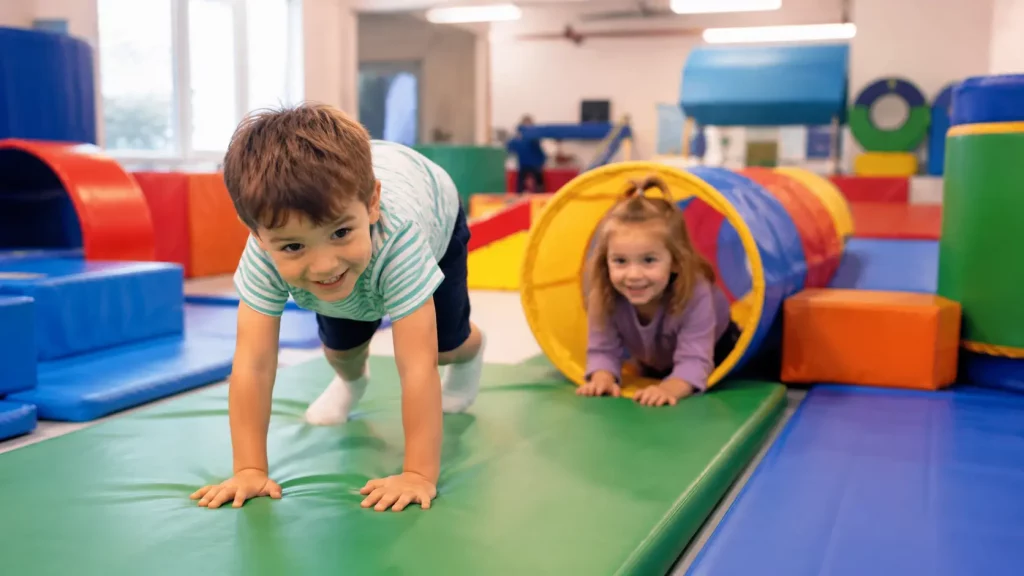
4. Crawling through tunnels
Crawling through a tunnel helps children use their arms, legs and core together. You can use a pop-up tunnel at home, a blanket tunnel or soft play tunnels in an indoor playground. This is one of the best indoor gross motor activities because it also supports spatial awareness and confidence in moving through small spaces.
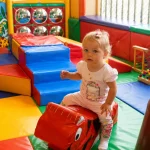
5. Climbing soft steps
Soft steps, foam blocks or safe low climbing equipment can help children practise climbing in a controlled way. Climbing supports balance, strength, coordination and problem-solving. It also helps children learn how to judge height, distance and body position.
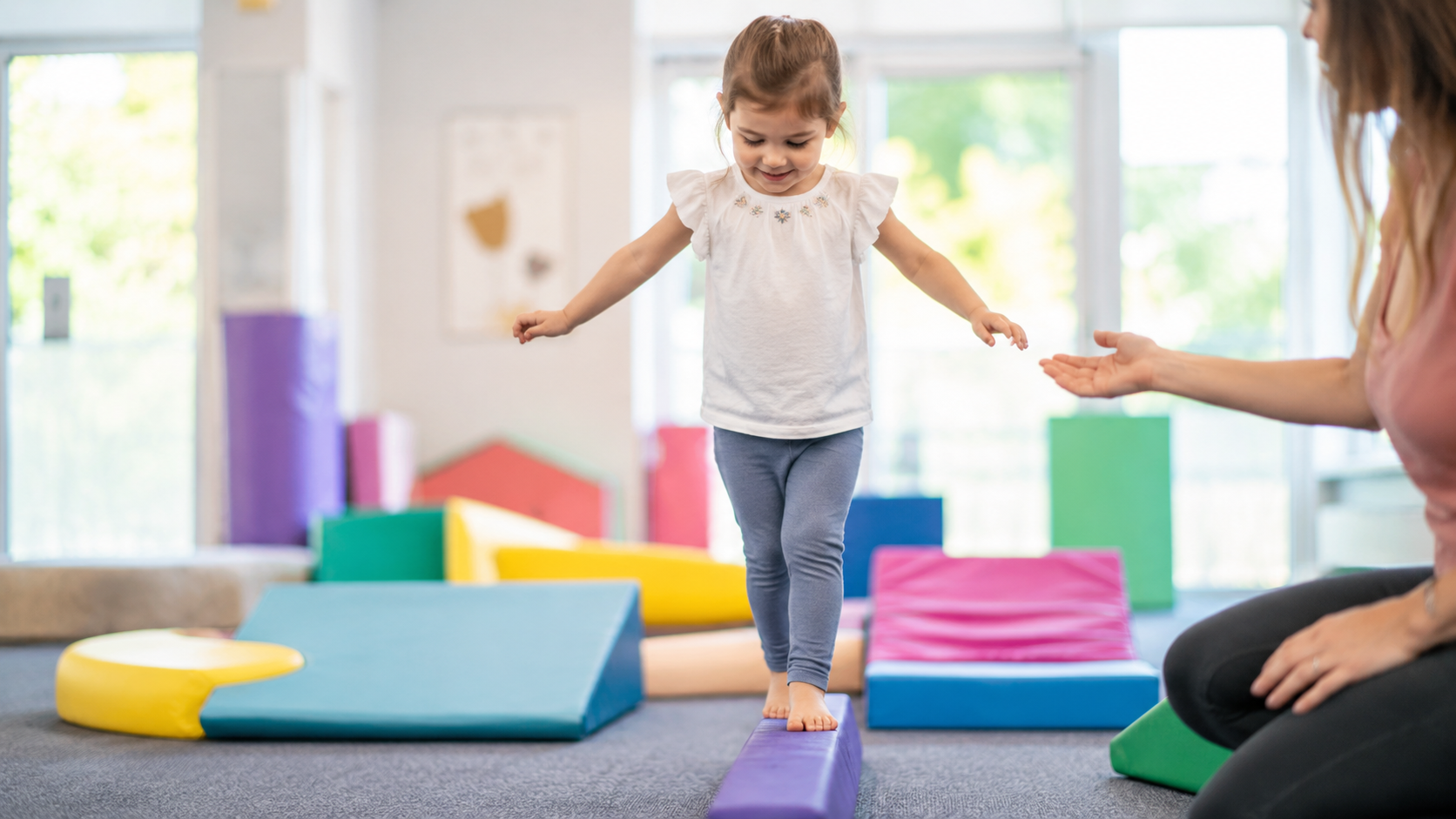
6. Balance line walk
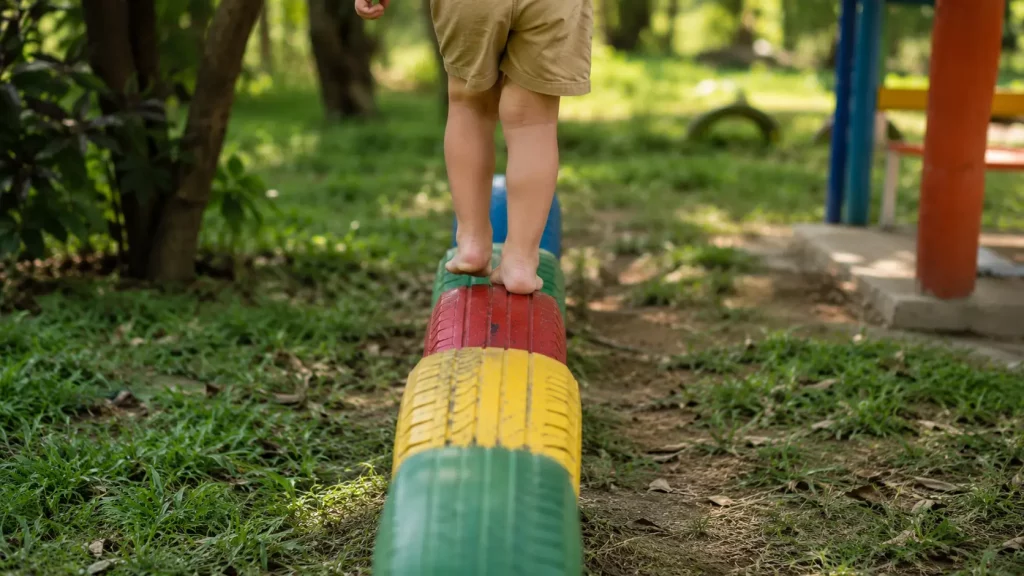
Put a line of masking tape on the floor or use a soft balance beam if you have one. Ask your child to walk along it slowly. You can add variations such as walking forwards, walking backwards, walking heel-to-toe, carrying a soft toy or stepping over small objects. This helps children practise control, focus and balance.
7. Throwing soft balls into a basket
Use soft balls, beanbags or rolled-up socks and ask your child to throw them into a basket, hoop or box. Start close, then move the basket a little further away. This supports hand-eye coordination, shoulder strength and movement planning.
8. Rolling balls to a target
Rolling is often easier than throwing, especially for children who are still building coordination. Set up a target using a cushion, cone, box or soft toy. Ask your child to roll the ball gently and try to hit the target. This supports control, aim and coordination.
9. Dancing freeze game
Play music and let your child dance freely. When the music stops, they freeze like a statue. This game helps children practise listening, stopping, starting, balance and body control. It also works well for groups because children can copy each other and laugh together.
10. Hop like a bunny
Ask your child to hop like a bunny across the room. They can hop to a toy, around a cushion or from one coloured spot to another. Hopping helps with leg strength, rhythm, balance and coordination. If hopping on one foot is too hard, two-footed bunny hops are still useful.
11. Step up and step down
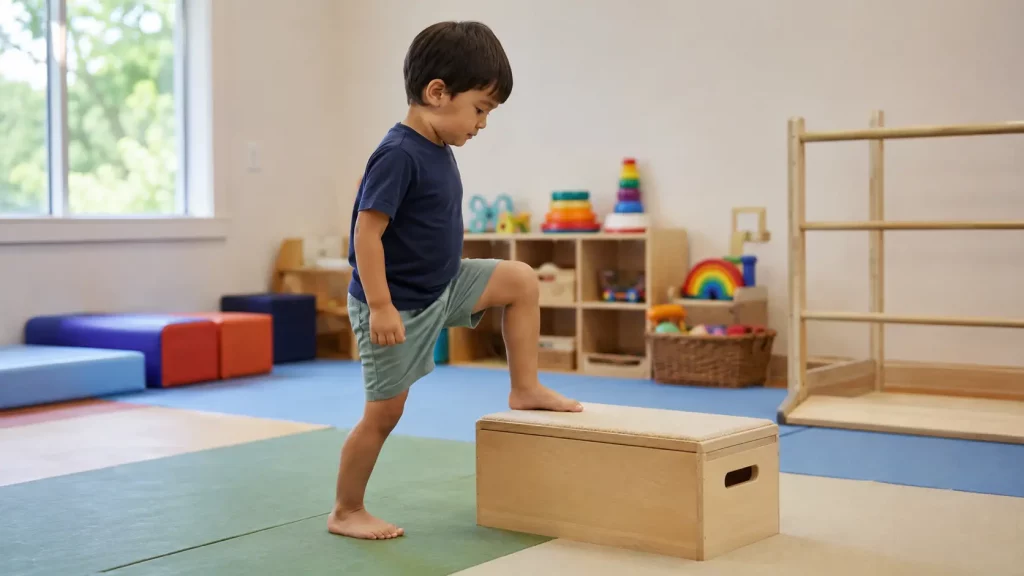
Use a safe low step or soft platform. Ask your child to step up and step down slowly. You can turn it into a game: step up 5 times, step down carefully, step up and clap, or step down and turn around. This helps with balance, leg control and confidence.
12. Balloon keep-up
Blow up a balloon and ask your child to keep it in the air using their hands, arms or gentle taps. This is a good indoor activity because the balloon moves slowly and gives children more time to react. It supports coordination, tracking, reaching and movement planning.
13. Soft play chase games
Simple chase games can help children practise speed, direction changes and awareness of other people. Keep it safe and calm. Use clear rules such as “walking chase only” or “stop when I say freeze”. In a soft play setting, children can enjoy active movement in a more child-friendly environment.
14. Follow the leader
One person leads a movement and the child copies. Try jumping three times, crawling like a bear, stretching up tall, walking around a cushion, spinning once or balancing on one foot. This supports imitation, sequencing, coordination and social play.
15. Stretch and reach games
Place soft toys or objects at different heights and ask your child to reach up, bend down or stretch sideways. For example, reach for the teddy on the sofa, touch the low cushion, stretch to the left or pick up the toy from the floor. This helps body awareness, flexibility and control.
16. Mini movement circuit
Create a short movement circuit with 4 or 5 actions: jump on the spot, crawl through a tunnel, walk along a line, throw a soft ball and stretch up tall. Repeat the circuit a few times. This helps stamina, sequencing, memory and coordination.
Some movement games can also support early counting, shapes and patterns. For more play-based learning ideas, read our guide to mathematics activities for 3 to 5 year olds.
Indoor gross motor activities at home
Home activities do not need much space or expensive equipment. A small room can still support active play if the activity is safe and supervised.
Good home-based ideas include:
- cushion obstacle courses
- balloon games
- animal walks
- tape balance lines
- soft ball throwing
- dancing games
- step-up games
- crawling under tables
- stretch and reach games
Try to keep activities short. Four-year-olds may enjoy repeating a favourite movement many times, but they may also lose interest quickly. Follow their energy and let the activity feel like play.
Gross motor activities in an indoor play centre
Indoor play centres can be useful for gross motor development because they give children space to move, climb, crawl, slide, balance and explore in a playful environment. Soft play areas, tunnels, slides, climbing sections and open movement spaces can all encourage active play.
For parents, this can be helpful when the weather is poor, the home feels too small for active movement or children need a safe space to burn energy. Indoor play activities for kids can also support social skills because children practise turn-taking, sharing space and watching how others move.
For families in Liverpool, Jungle Fun can be a practical indoor option where children can enjoy active play, soft play activities and family-friendly movement experiences. Parents can explore Jungle Fun’s indoor play activities, check entry prices or look at the Jungle Fun Café Menu before visiting.
Safety tips for gross motor activities
Gross motor play should feel fun, but safety still matters. Parents and caregivers can help by keeping activities age-appropriate and supervised.
Simple safety tips:
- Choose activities that match your child’s ability and confidence.
- Use soft objects for throwing and catching indoors.
- Keep sharp corners, small objects and breakable items away from the play space.
- Make sure floors are not slippery.
- Avoid pushing a child to do movements they are scared of.
- Keep climbing activities low and safe at home.
- Stop if your child is tired, upset or overstimulated.
- Supervise active play, especially in busy indoor play areas.
The NHS says all movement counts for under 5s and lists active play, climbing, jumping, dancing, playground activities, throwing and catching as suitable activity ideas. Source: NHS physical activity guidance for under 5s
Active play at Jungle Fun in Liverpool
At Jungle Fun, active play can give children a chance to move their whole bodies in a way that feels exciting rather than structured. A 4-year-old might climb, crawl, balance, slide, take turns, move around other children and explore different parts of the indoor play space.
This does not mean every visit needs to become a lesson. Children often build physical confidence through repeated, natural play. Parents can simply support the moment by saying things like:
- Can you crawl through the tunnel?
- Can you balance carefully?
- How many steps did you climb?
- Can you throw the soft ball into the basket?
- Which way shall we go next?
Would you like to reserve your place at Jungle Fun?
If you are planning a family visit, party, event or indoor play session, you can book online and choose the option that suits your visit best.
If you are planning a family visit, you can use the booking page to reserve your session, check the events page for themed activity days, or look at the Jungle Fun Café Menu if you want food and drinks before or after play.
Conclusion
The best gross motor skills activities for 4-year-olds are simple, playful and active. Jumping, crawling, climbing, balancing, throwing, dancing and obstacle play can all help children build coordination, strength, confidence and body awareness.
You do not need a formal exercise plan. A few movement games at home, a simple obstacle course or a visit to an indoor play centre can all support active play for preschoolers. The main goal is to help children enjoy movement, explore safely and build confidence through play.
FAQ
What are gross motor skills in 4-year-olds?
Gross motor skills are large body movements that use the arms, legs and core muscles. For 4-year-olds, this can include running, jumping, hopping, climbing, crawling, balancing, throwing and catching.
What are the best gross motor skills activities for 4-year-olds?
Good gross motor skills activities for 4-year-olds include obstacle courses, jumping spots, animal walks, crawling tunnels, climbing soft steps, balance lines, dancing games, throwing soft balls and mini movement circuits.
How can I improve my 4-year-old’s gross motor skills?
You can improve your 4-year-old’s gross motor skills through regular active play. Try jumping games, climbing, crawling, dancing, throwing, catching, balancing and short indoor movement challenges.
Can indoor play help with gross motor development?
Yes. Indoor play can help children practise movement skills such as climbing, crawling, jumping, balancing, sliding and moving around obstacles in a playful way.
Are soft play centres good for gross motor skills?
Soft play centres can support gross motor skills because children can climb, crawl, slide, balance and explore movement in a child-friendly indoor space.
What indoor activities help 4-year-olds burn energy?
Indoor activities that help 4-year-olds burn energy include dancing, obstacle courses, balloon games, animal walks, jumping spots, soft ball games, chase games and active play in a soft play area.
How often should 4-year-olds do gross motor activities?
Four-year-olds benefit from active play every day. Activities should be fun, age-appropriate and spread throughout the day rather than forced into one long session.