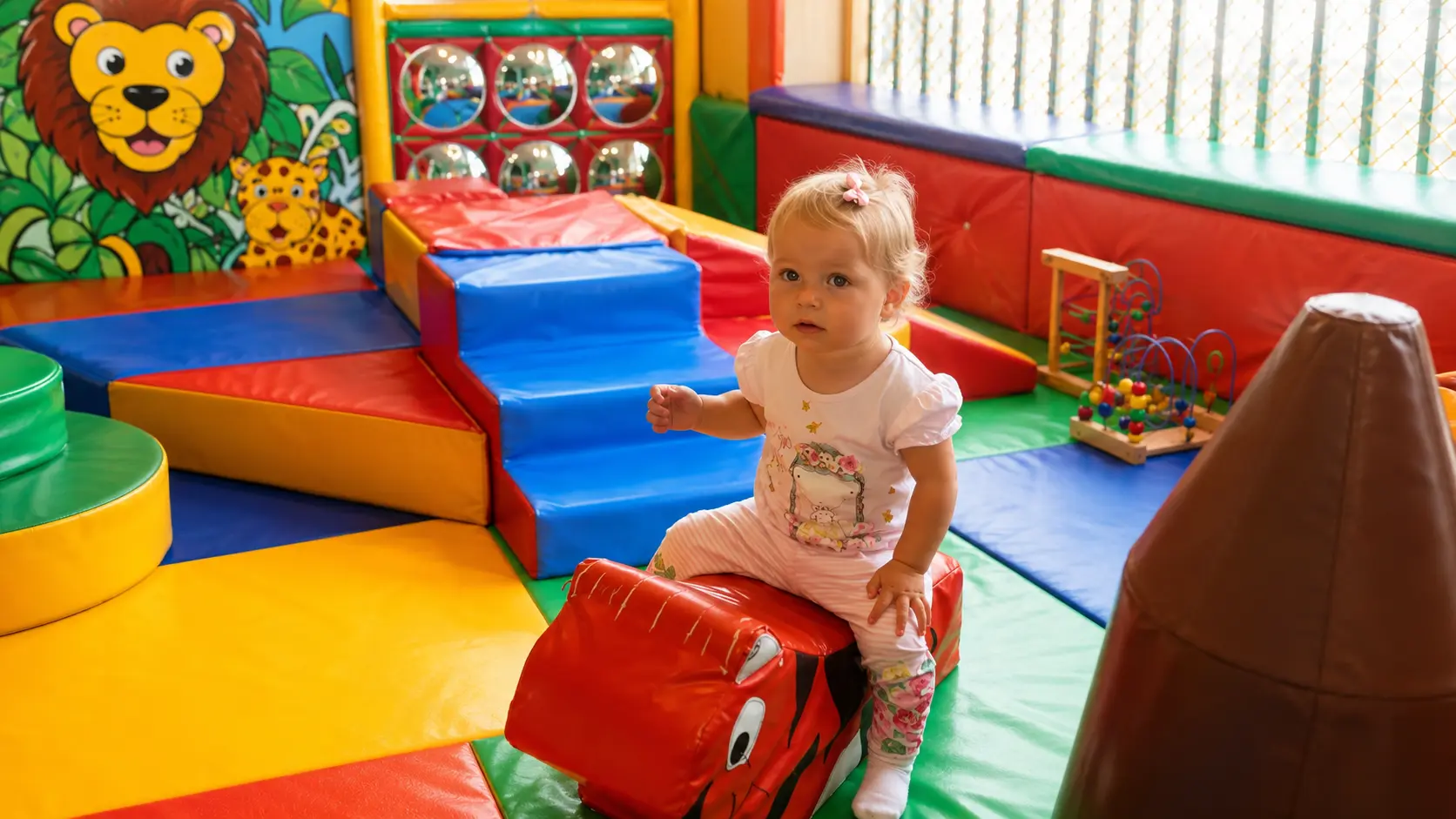
Indoor play gives children space to move, explore, imagine and interact, even when the weather is not ideal. For many parents, the question is not just “How can I keep my child busy?” but “Is indoor play actually useful for my child’s development?”
The answer is yes, when indoor play is active, age-appropriate and supported by a safe environment. From soft play and climbing to pretend games and social interaction, indoor play can give children practical opportunities to build confidence, practise movement and enjoy child-led play.
What is indoor play?
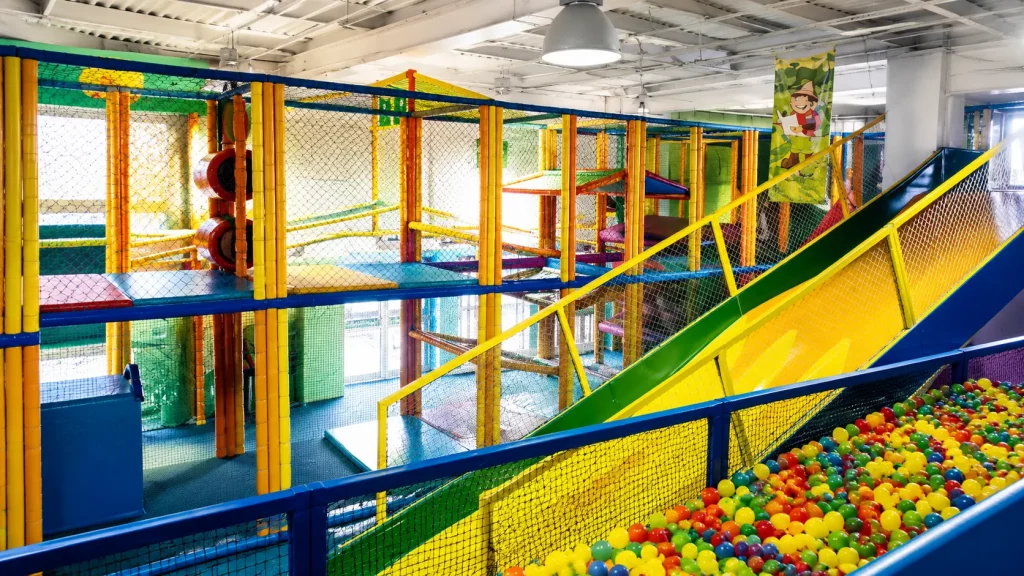
Indoor play can include soft play, climbing, crawling, sliding, jumping, balancing, pretend play, role play, movement games, sensory play and social play. It can happen at home, in nurseries, community spaces, indoor activity centres or soft play venues.
Good indoor play is not just about keeping children occupied. It gives them chances to move their bodies, make choices, interact with others and try new things in a space designed for play.
Why indoor play matters for children
Children need regular opportunities to move, explore and play. NHS guidance for young children includes active play such as climbing, jumping, dancing, throwing and catching as useful forms of physical activity. For older children, regular physical activity is also recommended as part of a healthy routine. NHS guidance for children under 5; NHS guidance for children and young people.
Indoor play is especially useful because it gives families an active option when outdoor space is limited, the weather is poor or parents want a structured place where children can enjoy movement safely.
12 benefits of indoor play for children
1. Supports gross motor skills
Indoor play can help children practise large body movements such as climbing, crawling, balancing, jumping, sliding and stepping. These movements support gross motor skills, which are important for everyday activities like running, walking up steps, carrying objects and joining in active games. Parents looking for more movement ideas can also read Jungle Fun’s article on gross motor skills activities for 4-year-olds.
2. Helps children burn energy indoors
Children often need to move, especially after time spent sitting, travelling or being indoors at home. Indoor play gives them a place to release energy through active movement. This can be helpful when gardens, parks or outdoor play areas are not practical.
3. Builds confidence through safe challenges
Soft play and indoor play areas often include small challenges: a slide to try, steps to climb, a tunnel to crawl through or a new route to explore. When children try these activities at their own pace, they can build confidence through repeated practice.
4. Encourages social interaction
Indoor play gives children chances to play near others, wait for turns, copy ideas, join games and share space. Younger children may start with parallel play, while older children may create games together or take roles in pretend play.
5. Supports communication skills
Play often encourages children to use words, gestures, facial expressions and simple negotiation. They may ask for a turn, explain a game, invite another child to join, pretend to be a character or describe what they are doing. Early years communication guidance recognises interaction, listening and language as important parts of young children’s learning.
6. Encourages imaginative play
Indoor play is not only physical. A tunnel can become a cave, a soft play frame can become a castle, and a climbing area can become part of a pretend adventure. This type of imaginative play helps children create stories and use their own ideas.
7. Helps balance and coordination
Climbing, stepping, crawling, sliding and moving around obstacles all ask children to coordinate different parts of the body. Indoor play can give children varied movement experiences, which may support balance, coordination and body control over time.
8. Supports problem-solving
Children often solve small problems while playing. Which way should I go? How do I climb up? Can I crawl through this space? Where should I place my foot? These small decisions help children plan, test and adapt their actions.
9. Gives toddlers a space to explore
For toddlers, indoor play can offer simple opportunities to crawl, step, reach, climb gently and explore textures or spaces. Soft play benefits for toddlers often come from repetition: trying a movement, doing it again and slowly becoming more confident.
10. Helps preschoolers practise independence
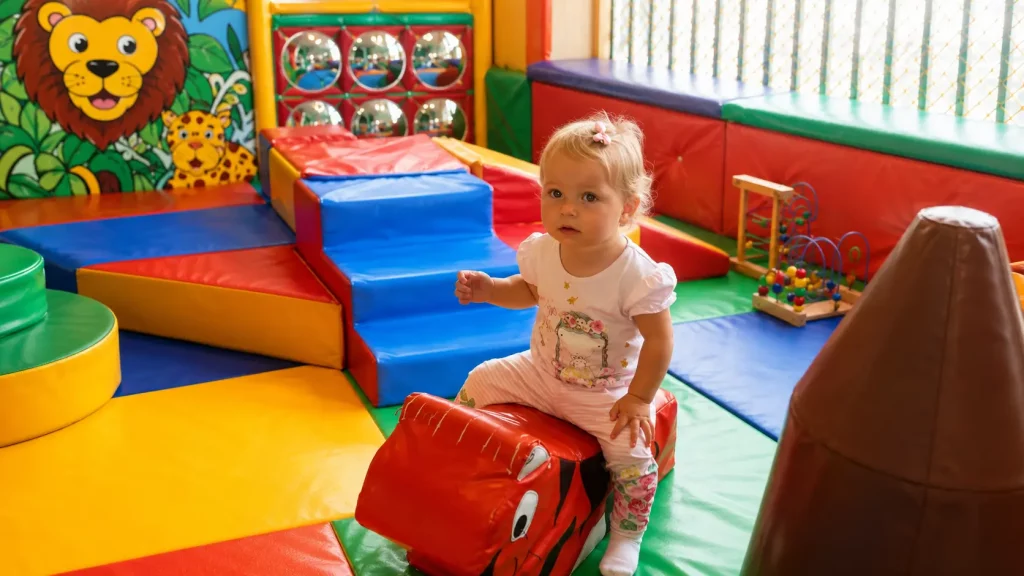
Preschoolers often enjoy choosing where to go, what to play and how to join in. Indoor play can support independence by giving them safe choices, simple rules and opportunities to interact with other children.
11. Gives school-age children active fun away from screens
Indoor play can give school-age children a more active break from screen-based entertainment. It does not need to replace screen time completely, but it can offer a different type of fun based on movement, group play and physical confidence.
12. Gives families a practical rainy-day activity
In the UK, wet, cold or unpredictable weather can make outdoor plans harder. Indoor play gives families a practical rainy-day option where children can still move, play and enjoy active time.
Why is free play important in early years?
Free play is important in early years because it allows children to choose, imagine, explore, repeat actions and test ideas at their own pace. Instead of always following adult-led instructions, children can decide what interests them and how they want to play. Help for Early Years Providers: Physical development.
Free play can support physical development because children naturally practise movement. It can also support communication and social interaction because children often talk, copy, negotiate and create stories while playing. Early years guidance places importance on physical development, communication and language, which are often naturally involved in play. Help for Early Years Providers: Communication and language.
Benefits of indoor play for toddlers
For children around 1 to 3 years old, indoor play should be simple, safe and easy to explore. Toddlers may enjoy crawling through tunnels, stepping onto soft blocks, climbing small padded shapes, rolling soft balls or playing close to a parent.
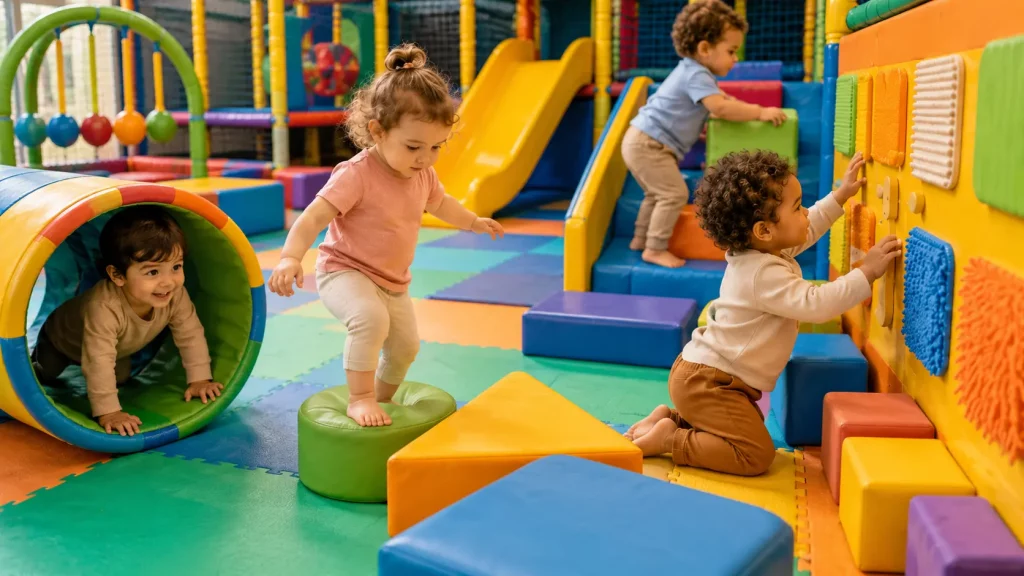
At this age, indoor play is less about structured games and more about exploration, confidence and parent-child interaction.
Benefits of indoor play for preschoolers
For children around 3 to 5 years old, indoor play can support gross motor skills, pretend play, turn-taking and social confidence. Preschoolers may enjoy jumping, balancing, climbing, chasing games, role play and simple group activities.
This age group often benefits from a mix of active play and imaginative play. A soft play visit, for example, can include climbing and sliding as well as pretending, storytelling and playing with others.
Benefits of indoor play for school-age children
For children around 5 to 11 years old, indoor play can still be valuable. They may enjoy more active challenges, teamwork, independent play and group games. Indoor play gives them space to use energy in a positive way, especially when outdoor options are limited.
What should parents look for in an indoor play centre?
When choosing an indoor play centre, parents may want to look for:
- Age-appropriate play areas
- Soft play or padded areas
- Clear safety rules
- A clean and supervised environment
- Space for adults to sit
- Food and drink options
- Birthday party options
- Easy booking or clear prices
For organised children’s activities, supervision and safe planning also matter. Parents should feel comfortable that the space is suitable for their child’s age and that rules are easy to understand. NSPCC safer activities and events.
Indoor play at Jungle Fun in Liverpool
For families looking for a soft play centre in Liverpool, Jungle Fun offers indoor play, soft play, activities, birthday parties and a café break in one family-friendly setting.
Parents can use Jungle Fun for everyday active play, rainy-day visits, birthday celebrations or a relaxed session where children can move, explore and enjoy play indoors. Families can also check Jungle Fun prices, view the soft play cafe or book a play session online when planning a visit.
Ready for indoor fun?
Book a play session or plan a colourful birthday party.
Conclusion
The benefits of indoor play go beyond simply keeping children busy. Indoor play can support movement, confidence, social interaction, communication, imagination and independence. It can be especially helpful for toddlers, preschoolers and school-age children when families want an active option indoors.
Whether children are climbing, crawling, pretending, balancing or playing with others, indoor play gives them practical ways to learn through movement and exploration.
FAQ
What are the benefits of indoor play for children?
The benefits of indoor play for children include movement, confidence, social interaction, communication, imaginative play, balance, coordination and problem-solving.
Why is free play important in early years?
Free play is important in early years because it allows children to choose, explore, imagine and repeat activities at their own pace. It can support movement, communication and social interaction.
Is indoor play good for toddlers?
Yes, indoor play can be good for toddlers when the space is age-appropriate and supervised. Simple soft play, crawling, climbing and sensory exploration can help toddlers build confidence.
Is soft play good for toddlers?
Soft play can be useful for toddlers because it gives them a padded space to explore movement. Parents should choose areas suitable for their child’s age and ability.
How does indoor play help preschoolers?
Indoor play can help preschoolers practise gross motor skills, turn-taking, pretend play, independence and social confidence.
Can indoor play help with gross motor skills?
Yes, activities such as climbing, crawling, jumping, sliding and balancing can support gross motor skill practice.
Is indoor play useful on rainy days?
Yes. Indoor play is a practical rainy-day activity because children can still move, play and use energy when outdoor play is less suitable.
What age is indoor play suitable for?
Indoor play can be suitable for toddlers, preschoolers and school-age children when the play space matches the child’s age, size and ability.
How often should children have active play?
Children should have regular opportunities for active play. NHS guidance gives age-based physical activity recommendations for young children and school-age children.
What should parents look for in an indoor play centre?
Parents should look for age-appropriate play areas, clear rules, soft or padded spaces, cleanliness, supervision, seating, food options, party options and easy booking information.
Is indoor play good for birthday parties?
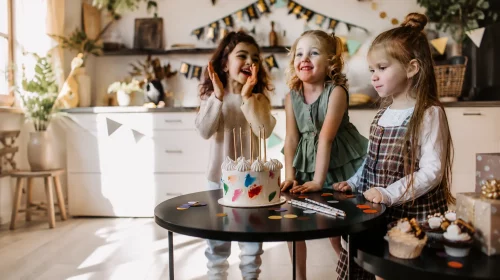
Yes, indoor play can work well for birthday parties because it gives children active entertainment in a dedicated play space. Some venues also offer party rooms, food and booking options.
Does indoor play help children socialise?
Indoor play can help children practise social skills such as turn-taking, sharing space, joining games, copying others and communicating during play.